
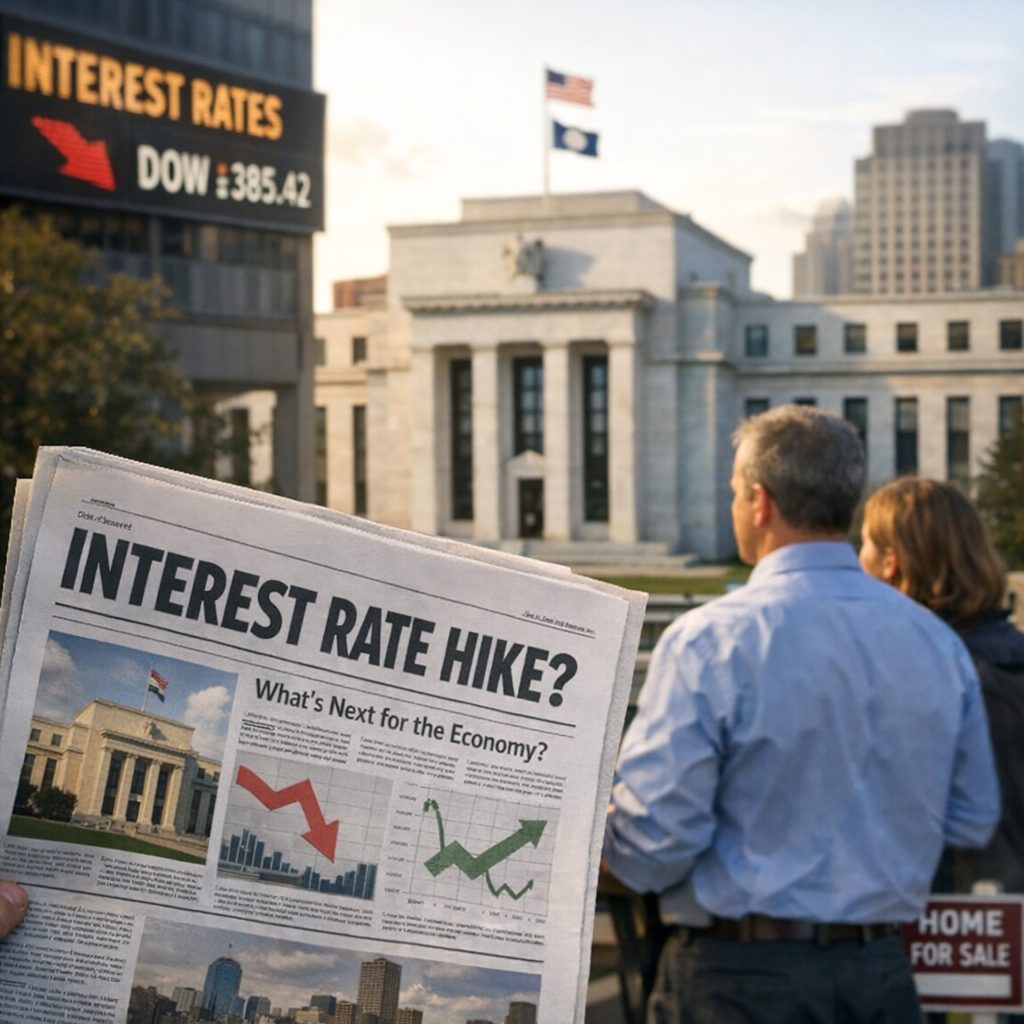
As the Federal Reserve deliberates on interest rates, the financial landscape of the nation holds its breath in anticipation of the outcome. The decisions made in the hallowed halls of the Fed reverberate throughout the economic ecosystem, affecting everything from mortgage rates to credit card interest charges. These adjustments are not mere numbers on a screen; they have tangible consequences for businesses, consumers, and investors.
Impact on Borrowing and Saving
When the Fed alters interest rates, it directly influences the cost of borrowing money. For instance, a rate hike can lead to higher mortgage rates, making it more expensive for individuals to purchase homes. Conversely, lower rates can stimulate borrowing and encourage spending. This delicate balance plays a crucial role in steering the economy towards growth or stability.
Market Reactions
The stock market is particularly sensitive to the Fed’s decisions. Investors closely watch for signals from the central bank, adjusting their portfolios based on anticipated rate changes. A mere hint of a rate hike can send shockwaves through Wall Street, impacting stock prices and market volatility.
Consumer Impact
For the average American, the Fed’s actions can influence everything from the interest earned on savings accounts to the cost of auto loans. Understanding these ripple effects is essential for making informed financial decisions and navigating the ever-shifting currents of the economy.