

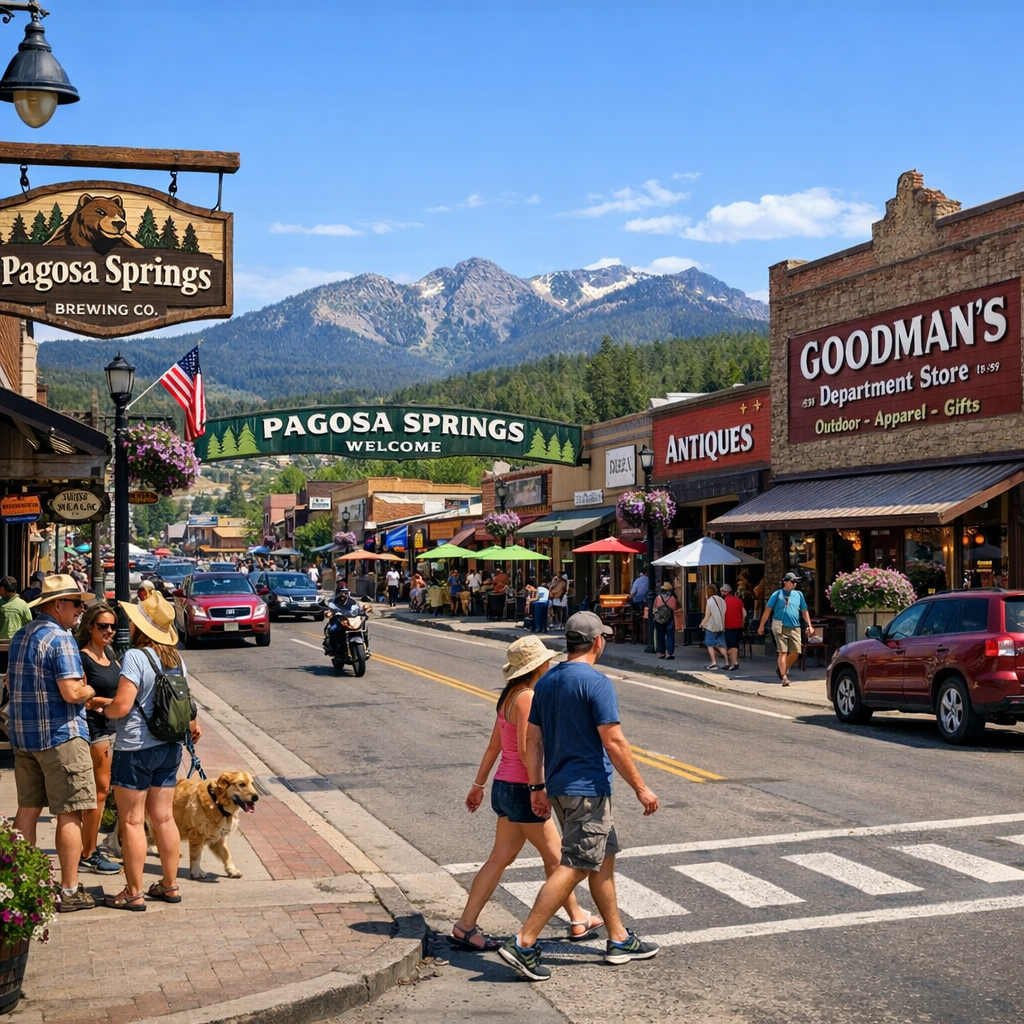
Pagosa Springs, nestled in the heart of Colorado, is experiencing a dynamic shift in its economic landscape. This transformation is driven by a combination of demographic changes, local business initiatives, and community development efforts.
Demographic and Economic Overview
As of 2026, Pagosa Springs boasts a population of approximately 1,880 residents, reflecting a steady annual growth rate of 2.4% since 2020. The median household income stands at $50,785, with a median age of 37.3 years. Notably, 21.3% of families live below the poverty line, indicating areas where economic development could be further enhanced. Source
Key Industries and Employment Trends
The local economy employs around 1,090 individuals, with significant representation in the following sectors:
- Construction: 180 employees
- Health Care & Social Assistance: 171 employees
- Accommodation & Food Services: 152 employees
These industries not only provide employment opportunities but also contribute to the town’s economic vitality. Source
Community Initiatives and Business Support
Several organizations are actively working to bolster the local economy:
- Pagosa Springs Main Street Program: Focuses on revitalizing downtown, supporting local businesses, and celebrating the town’s heritage. Initiatives like “Cone Zone Care” address construction challenges, turning potential disruptions into opportunities for growth. Source
- Pagosa Springs Chamber of Commerce: Offers resources, advocacy, and education to assist businesses at various stages, aiming to create a prosperous future in a business-friendly environment. Source
- Pagosa Springs Community Development Corporation: Enhances the quality of life by creating quality jobs, encouraging new capital investment, and promoting tourism. Source
Challenges and Opportunities
While the town’s growth presents numerous opportunities, challenges remain. The poverty rate of 21.3% underscores the need for continued economic development and support for vulnerable populations. Additionally, the town’s reliance on specific industries suggests a potential need for diversification to ensure long-term economic resilience.
In conclusion, Pagosa Springs stands at a pivotal point in its economic journey. Through collaborative efforts between local businesses, community organizations, and residents, the town is well-positioned to navigate its challenges and seize emerging opportunities, fostering a vibrant and sustainable economic future.