
The United States economy is currently experiencing a complex set of challenges and developments that are impacting various sectors and the daily lives of Americans.
Inflation and Consumer Prices
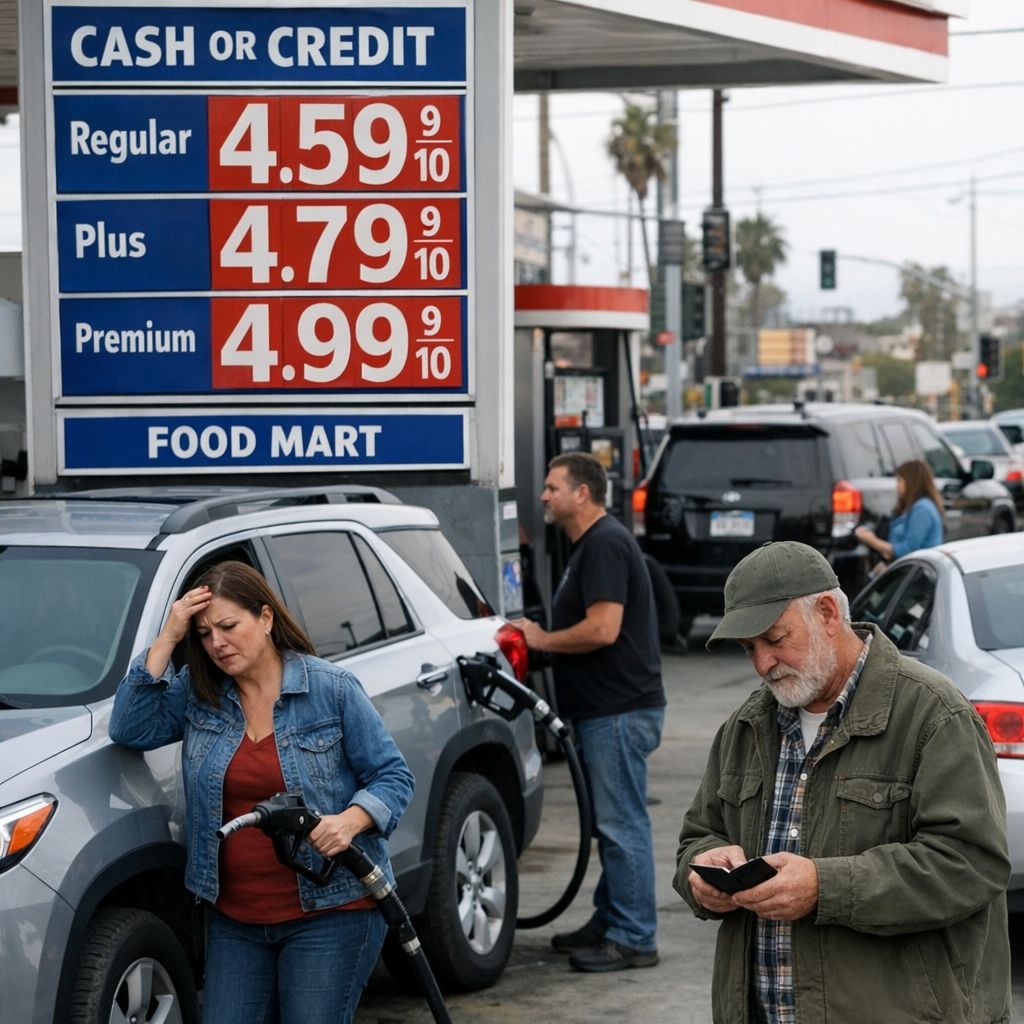
Inflation has been a significant concern, with the rate reaching 3.8% in April. This increase is largely attributed to the ongoing conflict in Iran, which has disrupted global oil supplies and pushed the national average price of gasoline above $4.50 per gallon. As a result, consumers are facing higher costs for goods and services, leading to a decline in real wages for the first time in three years. This situation has also contributed to a surge in consumer debt and a notable drop in consumer confidence. Source
Employment and Job Market
Despite the inflationary pressures, the job market has shown resilience. In March, employers posted 6.87 million job openings, a slight decrease from February’s 6.92 million. This indicates that while there is a slight cooling, the labor market remains relatively stable. Source
Political Implications
The economic challenges have also had political ramifications. A recent CNN poll indicates that 70% of Americans disapprove of President Trump’s handling of the economy. This growing dissatisfaction poses a significant risk to the administration, especially with the upcoming midterm elections. Source
Looking Ahead
As the nation navigates these economic challenges, it is crucial for policymakers to address the underlying issues contributing to inflation and to implement strategies that bolster consumer confidence and economic stability. The coming months will be pivotal in determining the trajectory of the U.S. economy and its broader implications for the American populace.