

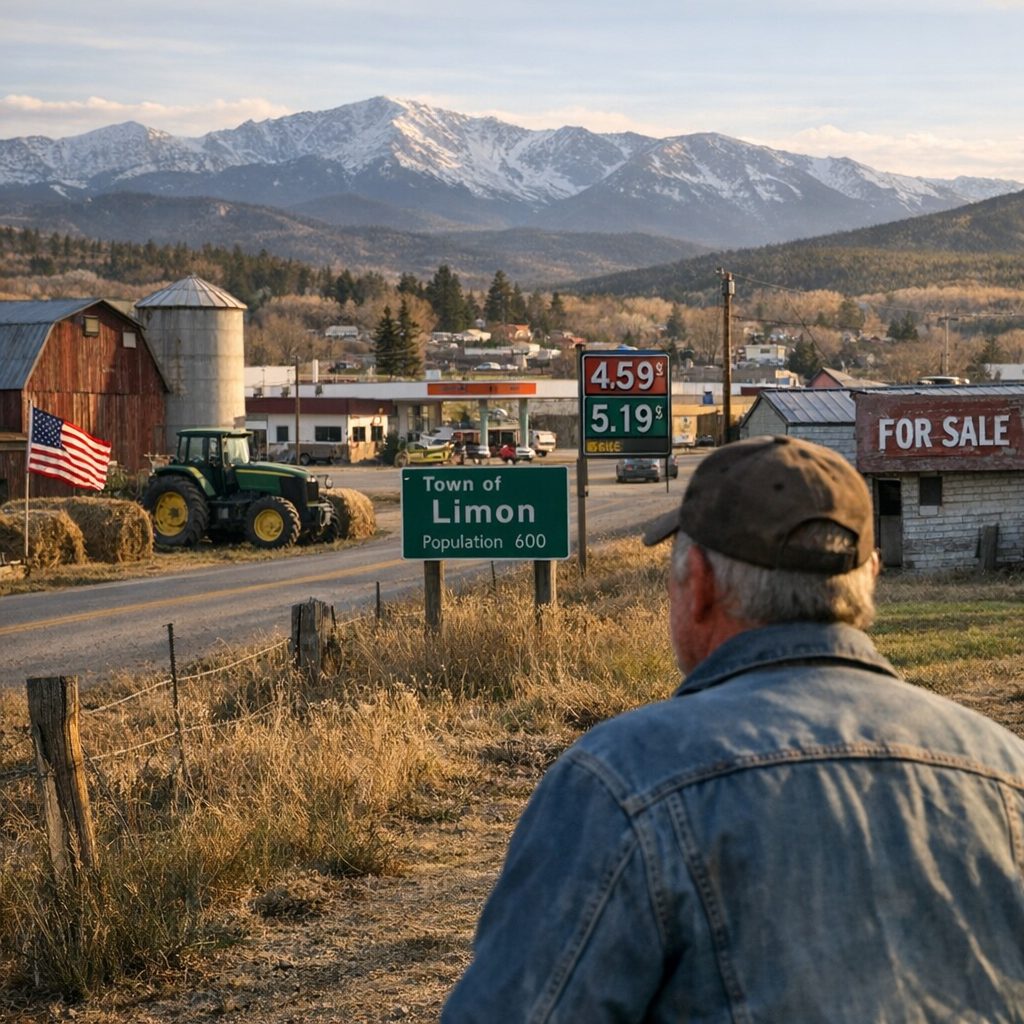
Federal economic policies significantly influence rural communities across the United States, and Colorado’s rural areas are no exception. Understanding these impacts is crucial for residents and policymakers alike.
Trade Policies and Tariffs
Recent federal trade policies, including the implementation of tariffs, have had a profound effect on Colorado’s agricultural sector. A report from the Colorado Office of Economic Development and International Trade highlighted that tariffs have increased costs for farmers and ranchers, leading to higher equipment, fertilizer, and packaging expenses. Additionally, these policies have caused shipping delays and unpredictable access to global markets, creating instability in rural economies. For instance, in the San Luis Valley, potato farmers have faced production costs ranging from $8.00 to $11.00 per hundredweight, while returns have hovered around $5.00 to $6.00 per hundredweight, resulting in significant financial losses. [Source: Colorado Governor’s Office]
Federal Budget and Social Programs
Changes in federal budget allocations have also impacted rural Colorado. The Bell Policy Center noted that recent federal budget bills have disproportionately affected rural communities by reducing funding for social safety net programs like Medicaid and the Supplemental Nutrition Assistance Program (SNAP). These cuts have placed additional strain on rural residents who rely on these services for healthcare and food security. [Source: Bell Policy Center]
State Initiatives to Mitigate Impacts
In response to these challenges, Colorado has implemented state-level initiatives aimed at supporting rural communities. Governor Jared Polis released the Rural Economic Blueprint, which focuses on expanding broadband access, reducing healthcare costs, repairing infrastructure, and investing in economic development. These efforts aim to bolster rural economies and provide residents with the resources needed to thrive despite federal policy challenges. [Source: Colorado Governor’s Office]
Understanding the interplay between federal policies and local economies is essential for rural communities in Colorado. By staying informed and engaged, residents can advocate for policies that support their livelihoods and contribute to the resilience of their communities.