
As residents of Pagosa Springs, we are not immune to the broader economic challenges currently facing the nation. Recent developments have brought issues such as inflation, energy costs, and economic policy to the forefront of national discourse.
Inflation and Public Sentiment
A recent CBS News/YouGov poll indicates that 70% of Americans feel “angry” or “frustrated” with the current administration’s handling of the economy. This sentiment is largely driven by rising inflation rates and increasing energy costs, which have placed additional financial burdens on households across the country.
Energy Costs and Global Events
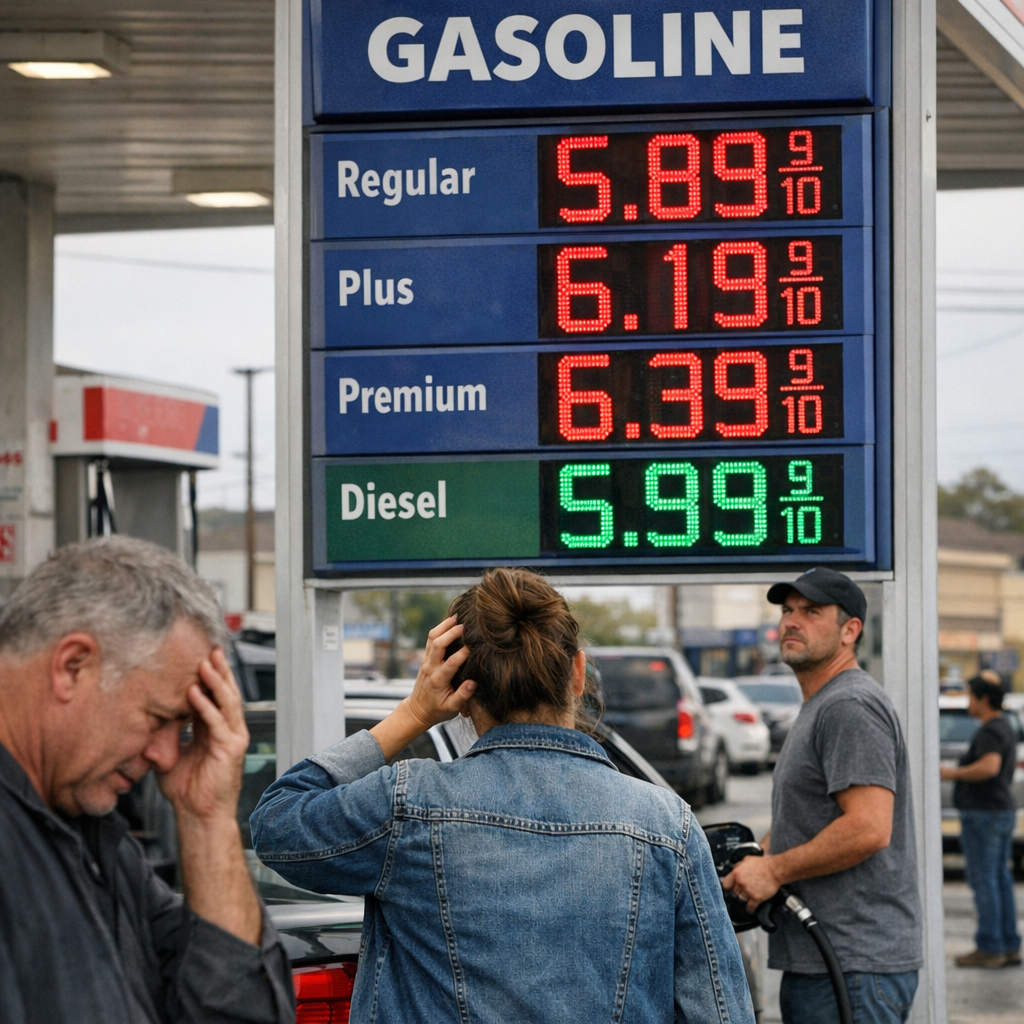
The military conflict with Iran, which began in February, has led to the closure of the Strait of Hormuz, a critical passage for global energy supplies. This disruption has caused a surge in energy prices, with national average gas prices exceeding $4.50 per gallon and some states experiencing prices above $5. Such increases have a cascading effect on the cost of goods and services, further straining household budgets.
Economic Outlook and Policy Responses
The International Monetary Fund (IMF) has described the U.S. economy as “buoyant” but warns of risks associated with rising federal debt and ongoing tariff disputes. The IMF projects a 2.4% growth in gross domestic product for the fourth quarter of this year but emphasizes the need for careful fiscal management to maintain economic stability.
Local Impact and Considerations
For communities like Pagosa Springs, these national economic trends have tangible local effects. Increased transportation and utility costs can impact both businesses and consumers, influencing pricing, spending habits, and overall economic health. Staying informed about these developments and understanding their potential impact is crucial for making informed financial decisions.
As we navigate these uncertain times, it’s essential to engage in community discussions, support local businesses, and advocate for policies that promote economic resilience and stability.