

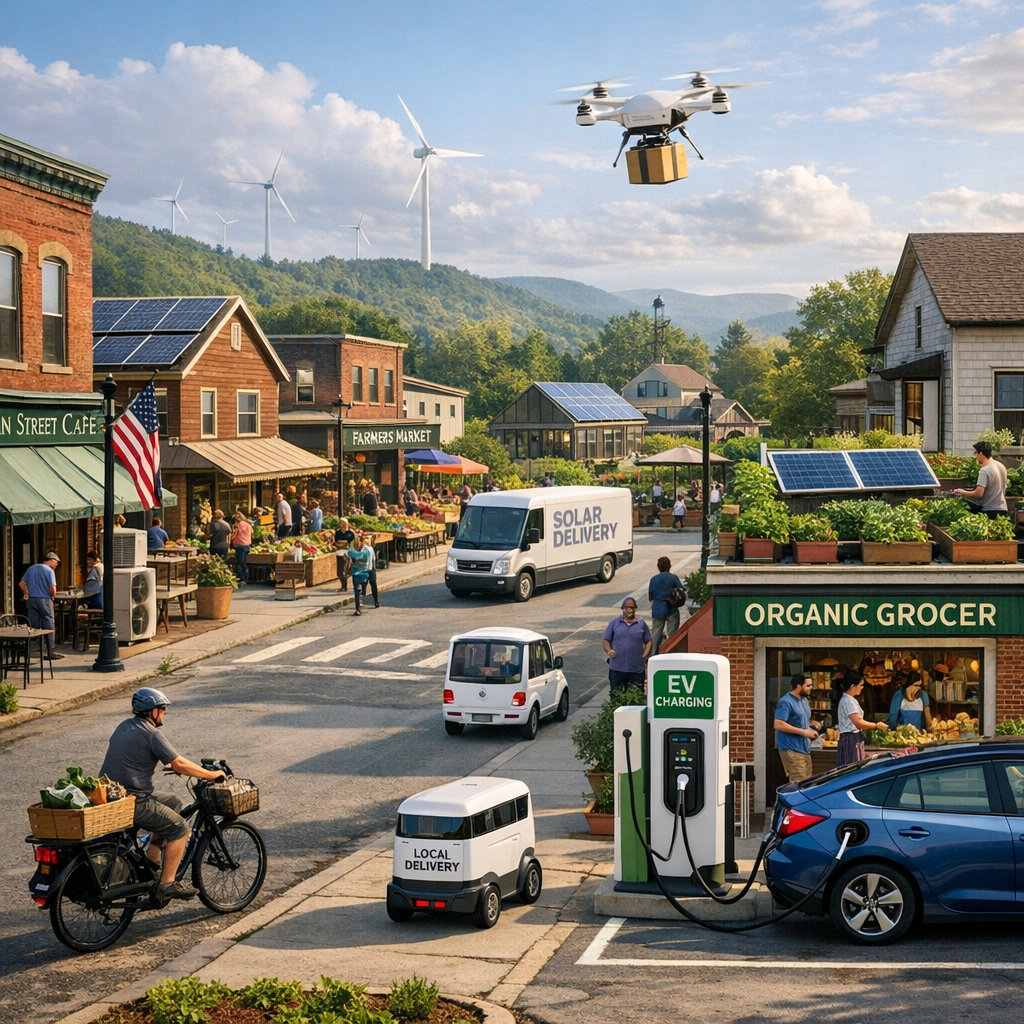
In an increasingly interconnected world, global events and trends have profound effects on small towns across the United States, including Pagosa Springs, Colorado. Understanding these influences is crucial for communities to adapt and thrive.
Economic Shifts and Remote Work
The rise of remote work has led to an influx of new residents in rural areas, a phenomenon termed ‘Zoom Towns.’ While this migration brings economic opportunities, it also presents challenges such as increased housing demand and pressure on local infrastructure. Communities are tasked with balancing growth while preserving their unique character. Source
Climate Change and Environmental Challenges
Climate change poses significant risks to rural communities, including more frequent extreme weather events and environmental degradation. These changes can disrupt local economies, particularly those reliant on agriculture and tourism. Proactive measures, such as investing in resilient infrastructure and sustainable practices, are essential for mitigating these impacts. Source
Demographic Changes and Migration
Global migration patterns influence the demographic composition of small towns. Some communities experience population declines, while others see growth due to new residents seeking a different lifestyle. Embracing diversity and fostering inclusive communities can lead to cultural enrichment and economic revitalization. Source
Infrastructure and Resource Management
Global economic trends affect local infrastructure and resource management. For instance, rising fuel costs and technological advancements impact transportation and energy systems. Small towns must navigate these changes by investing in sustainable infrastructure and exploring alternative energy sources to ensure long-term viability. Source
By staying informed about global developments and proactively addressing these challenges, small towns like Pagosa Springs can adapt to changing circumstances and seize new opportunities for growth and resilience.