

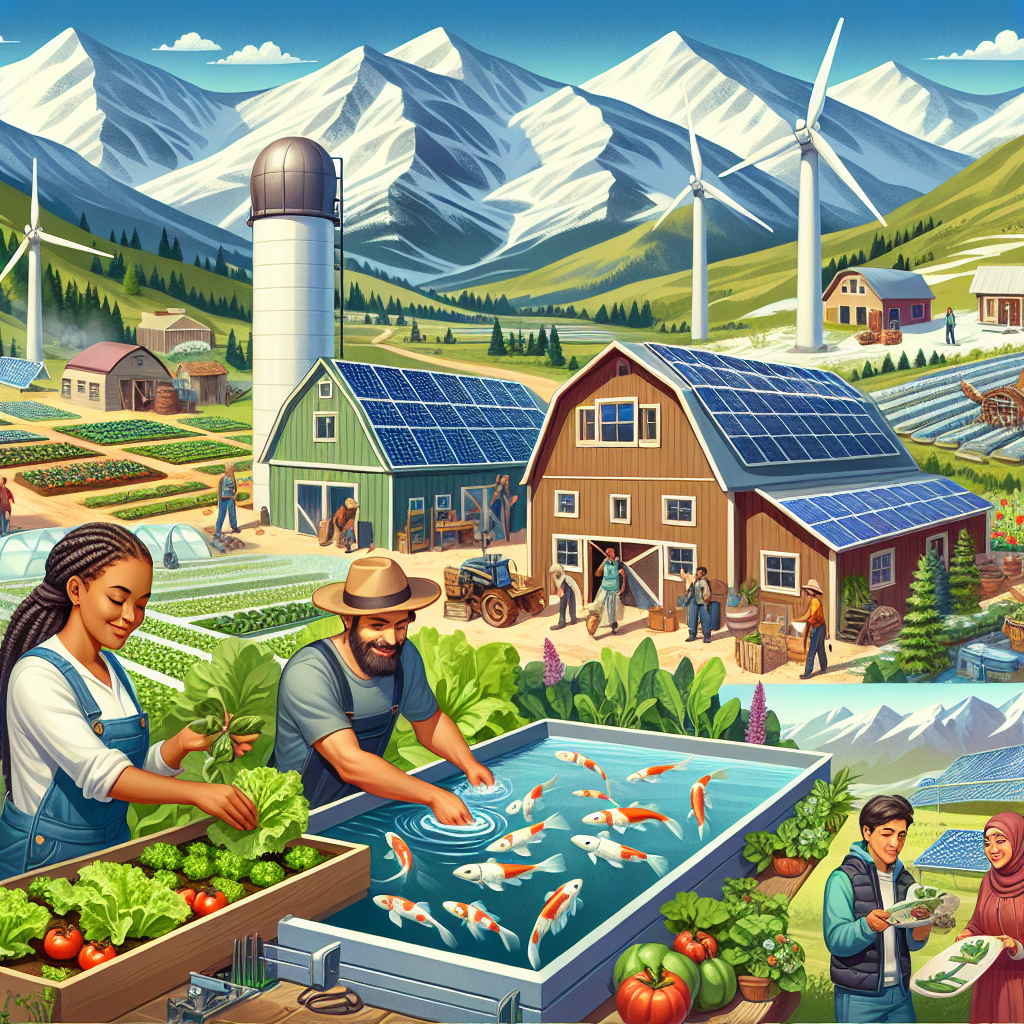
In our interconnected world, events unfolding thousands of miles away can have profound effects on rural communities like Pagosa Springs, Colorado. Understanding these global-local connections is essential for building resilience and ensuring sustainable development.
Climate Change and Rural Vulnerability
Climate change poses significant challenges to rural areas worldwide. Increased frequency of droughts, floods, and extreme weather events disrupt agricultural activities, threaten food security, and strain local economies. For instance, in developing countries, agriculture absorbs up to 80% of all direct impacts from droughts, placing livelihoods at risk when arable land is affected. Source
In Pagosa Springs, where agriculture and tourism are vital, similar climate-induced disruptions could have cascading effects on the local economy and community well-being.
Global Health Crises and Local Implications
Global health emergencies, such as pandemics, often disproportionately affect marginalized and rural communities. Limited access to healthcare, economic vulnerabilities, and social inequalities exacerbate the impact of such crises. For example, during the 2026 measles surge in the U.S., hospitalization rates were three times higher among unvaccinated immigrant and low-income groups in states like Texas and Florida. Source
While Pagosa Springs may not have faced this specific outbreak, the situation underscores the importance of robust public health infrastructure and proactive community engagement to mitigate potential health crises.
Economic Shocks and Rural Livelihoods
Global economic disruptions, such as conflicts affecting major trade routes, can lead to supply chain interruptions, increased costs for essential goods, and reduced market access for rural producers. The conflict in the Middle East, for instance, caused severe disruptions for small-scale producers worldwide, leading to supply-side shocks in fertilizer and food production. Source
For communities like Pagosa Springs, which rely on a mix of agriculture, tourism, and small businesses, such global economic shocks can translate into higher operational costs and reduced income, emphasizing the need for diversified and resilient local economies.
Building Resilience Through Local Action
Recognizing the interconnectedness of global events and local realities, rural communities can adopt several strategies to enhance resilience:
- Community Engagement: Foster strong local networks to support collective action and resource sharing during crises.
- Economic Diversification: Develop a mix of industries to reduce dependence on a single economic sector.
- Climate Adaptation: Implement sustainable agricultural practices and invest in infrastructure to withstand extreme weather events.
- Healthcare Access: Strengthen local healthcare systems to ensure timely and equitable access to medical services.
By proactively addressing these areas, rural communities like Pagosa Springs can better navigate the challenges posed by global events and continue to thrive in an ever-changing world.