

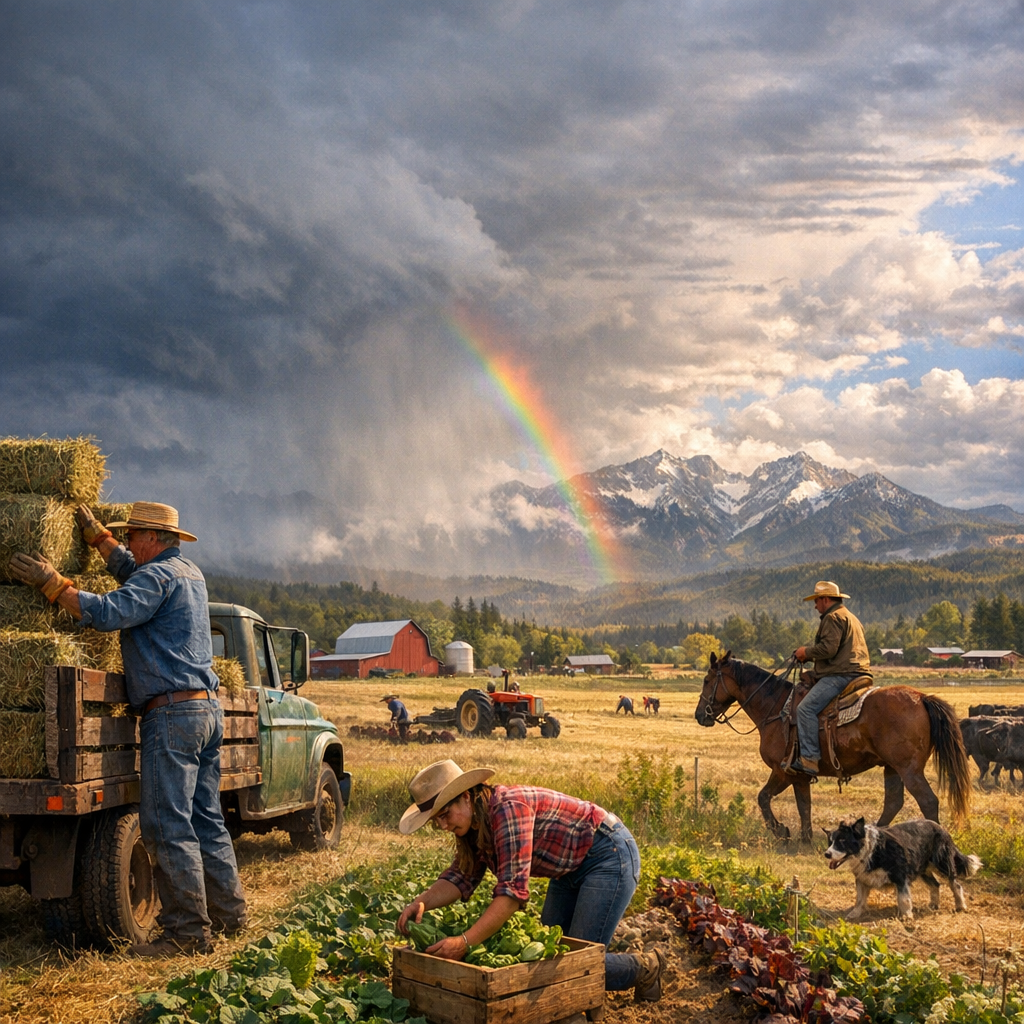
In our interconnected world, events unfolding thousands of miles away can have profound effects on rural communities like Pagosa Springs. Understanding these global-local connections is crucial for building resilience and ensuring the well-being of our community.
Global Conflicts and Local Economies
International conflicts can disrupt global supply chains, leading to increased prices for essential goods. For instance, the International Fund for Agricultural Development (IFAD) has highlighted how conflicts in regions like the Middle East can cause severe disruptions for small-scale farmers worldwide, exposing vulnerabilities in global food systems. Such disruptions can result in higher costs for fertilizers and fuel, directly impacting local farmers and ranchers in Pagosa Springs. [Source: IFAD]
Climate Change and Rural Vulnerability
Climate change poses significant challenges to rural areas. The World Economic Forum reports that droughts, intensified by climate change, threaten food security and livelihoods, especially in developing countries where agriculture absorbs up to 80% of direct impacts. While Pagosa Springs may not face the same level of risk, changing weather patterns can still affect local agriculture, water resources, and tourism. [Source: World Economic Forum]
Building Local Resilience
To mitigate these global impacts, it’s essential for rural communities to invest in adaptive practices. This includes diversifying local economies, adopting sustainable agricultural methods, and enhancing infrastructure to withstand environmental changes. By fostering community engagement and staying informed about global events, Pagosa Springs can better prepare for and respond to these challenges.
Understanding the ripple effects of global events on our local community empowers us to take proactive steps toward resilience and sustainability.