

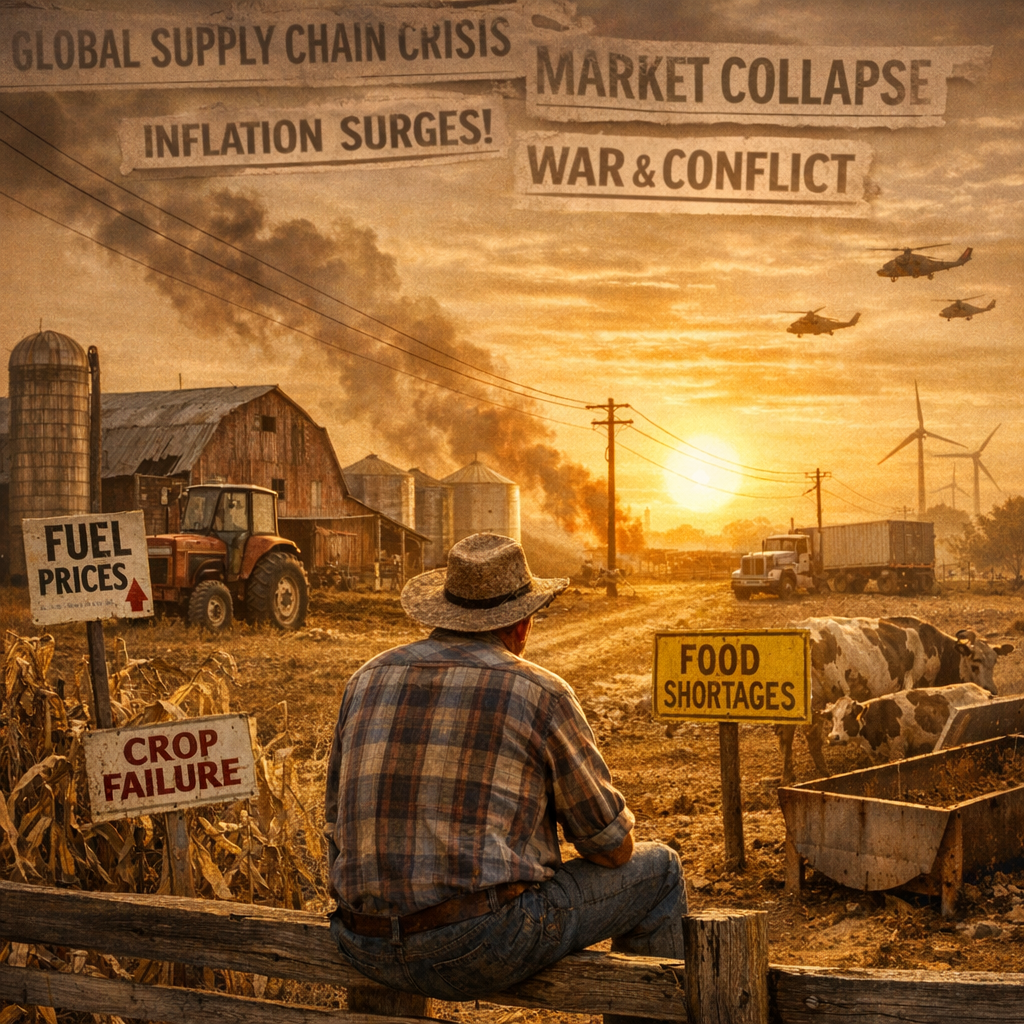
In our interconnected world, events unfolding thousands of miles away can have profound effects on rural communities, including those in Pagosa Springs. Understanding these global-local connections is essential for building resilient and informed communities.
Global Conflicts and Local Food Security
International conflicts can disrupt global supply chains, leading to increased costs and scarcity of essential goods. For instance, recent conflicts in the Middle East have caused significant disruptions in the supply of fertilizers and fuel, which are critical for agricultural production. The International Fund for Agricultural Development (IFAD) warns that such disruptions expose the vulnerabilities of global food systems, directly impacting small-scale farmers worldwide. These challenges underscore the need for local farmers to develop adaptive practices to maintain productivity amidst global uncertainties.
Climate Change: A Universal Challenge with Local Consequences
Climate change is a pressing global issue with tangible local effects. Rural areas are particularly vulnerable to climate-induced events such as droughts, floods, and extreme temperatures. The World Economic Forum highlights that in developing countries, agriculture absorbs up to 80% of all direct impacts from droughts, placing rural livelihoods at significant risk. In regions like Pagosa Springs, changing climate patterns can affect water availability, crop yields, and the health of local ecosystems, emphasizing the importance of sustainable practices and community preparedness.
Health Crises and Rural Vulnerability
Global health crises often disproportionately affect marginalized and rural communities. For example, recent outbreaks of diseases like measles and foot-and-mouth disease have had severe impacts on rural populations due to limited access to healthcare and resources. Reports indicate that marginalized communities bear the brunt of escalating global health crises, highlighting the need for improved healthcare infrastructure and access in rural areas to mitigate such risks.
Building Resilience Through Local Action
While global events can pose challenges, they also present opportunities for rural communities to strengthen resilience. Investing in local infrastructure, diversifying economies, and fostering community networks can help mitigate the impacts of global disruptions. Additionally, embracing sustainable agricultural practices and staying informed about global trends can empower communities like Pagosa Springs to navigate the complexities of an interconnected world.
By recognizing the links between global events and local realities, rural communities can proactively address challenges and seize opportunities to thrive in an ever-changing global landscape.