

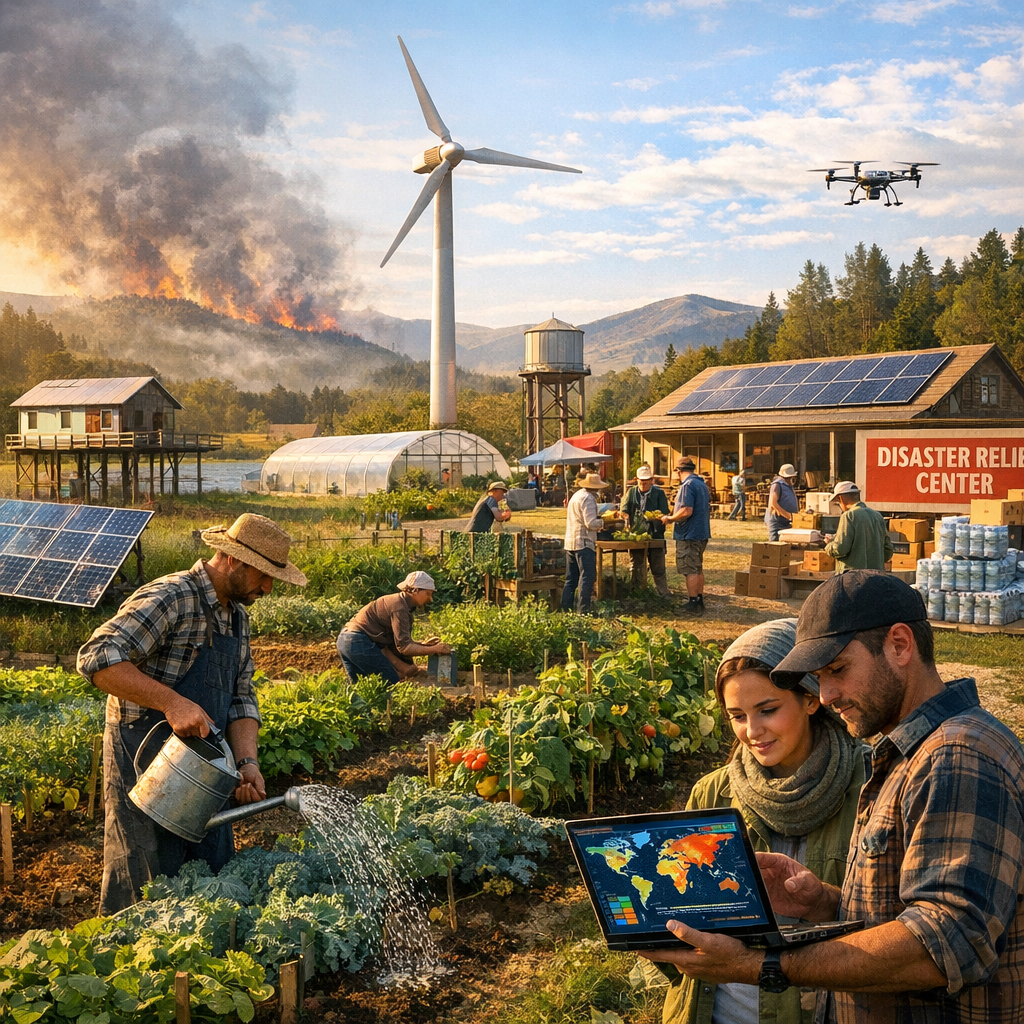
In our interconnected world, events unfolding thousands of miles away can have profound effects on rural communities like ours in Pagosa Springs. Understanding these global influences is crucial for building resilience and ensuring the sustainability of our local livelihoods.
Global Conflicts and Supply Chain Disruptions
International conflicts can disrupt supply chains, leading to shortages and increased costs for essential goods. For instance, conflicts in key regions have caused significant disruptions in the transportation of fertilizers and fuels, directly impacting small-scale farmers worldwide. These disruptions expose vulnerabilities in global food systems and highlight the need for local adaptive practices to maintain food security.
Climate Change and Environmental Challenges
Climate change poses a significant threat to rural areas, bringing about extreme weather events such as droughts, floods, and heatwaves. These events can devastate agriculture, the backbone of many rural economies. For example, prolonged droughts have led to substantial declines in crop yields and livestock health, threatening the livelihoods of farmers and increasing food insecurity.
Health Crises and Vulnerable Populations
Global health crises often disproportionately affect marginalized and rural communities. Limited access to healthcare, economic disparities, and inadequate infrastructure can exacerbate the impact of diseases. Recent health emergencies have highlighted how rural populations bear the brunt of such crises, emphasizing the need for improved healthcare access and emergency preparedness in these areas.
Building Resilience in Rural Communities
To mitigate the impacts of global events, rural communities must focus on building resilience through various strategies:
- Diversifying Economies: Encouraging a mix of agricultural and non-agricultural activities can reduce dependency on a single source of income.
- Investing in Sustainable Practices: Adopting climate-smart agricultural techniques and sustainable resource management can enhance environmental resilience.
- Strengthening Local Supply Chains: Developing local markets and reducing reliance on global supply chains can buffer against international disruptions.
- Enhancing Healthcare Infrastructure: Improving access to healthcare services ensures better preparedness for health crises.
By understanding the interconnectedness of global events and local realities, communities like Pagosa Springs can proactively adapt and thrive amidst the challenges posed by an ever-changing world.