

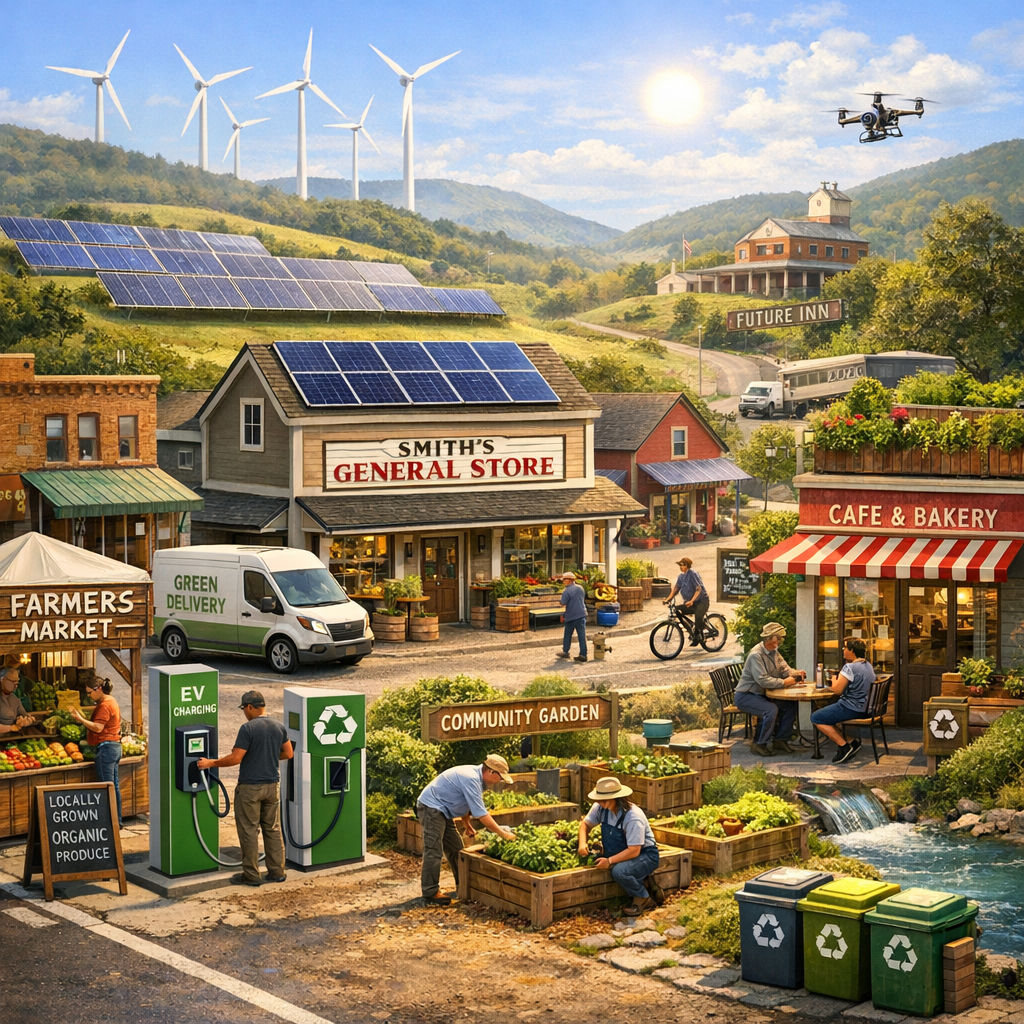
In an increasingly interconnected world, global events have profound effects on local communities, including small towns across the United States. From economic shifts to cultural changes, international developments are reshaping the fabric of these communities in unexpected ways.
Economic Pressures and Opportunities
Small towns are experiencing economic transformations influenced by global trends. The rise of remote work, accelerated by the COVID-19 pandemic, has led to an influx of professionals seeking the tranquility of rural life. This phenomenon, often referred to as the emergence of ‘Zoom Towns,’ has brought both opportunities and challenges. While new residents can stimulate local economies, they also place demands on housing and infrastructure, necessitating careful planning and resource management.
Cultural Shifts and Community Dynamics
International migration patterns are also impacting small towns. Some communities have seen an increase in refugee resettlement, which can help offset population decline and invigorate local economies. However, this demographic shift requires communities to adapt culturally and socially, fostering inclusivity and support systems for new residents.
Environmental Challenges
Climate change, a global issue, has localized effects that are particularly pronounced in rural areas. Small towns often face challenges such as increased flooding, droughts, and other extreme weather events. These environmental changes can disrupt agriculture, a cornerstone of many rural economies, and strain local resources. Proactive measures, including infrastructure improvements and sustainable practices, are essential for resilience.
Looking Ahead
As global events continue to influence local realities, small towns must navigate these changes thoughtfully. Embracing economic opportunities, fostering cultural inclusivity, and implementing environmental resilience strategies will be key to ensuring the vitality and sustainability of these communities in an ever-changing world.