

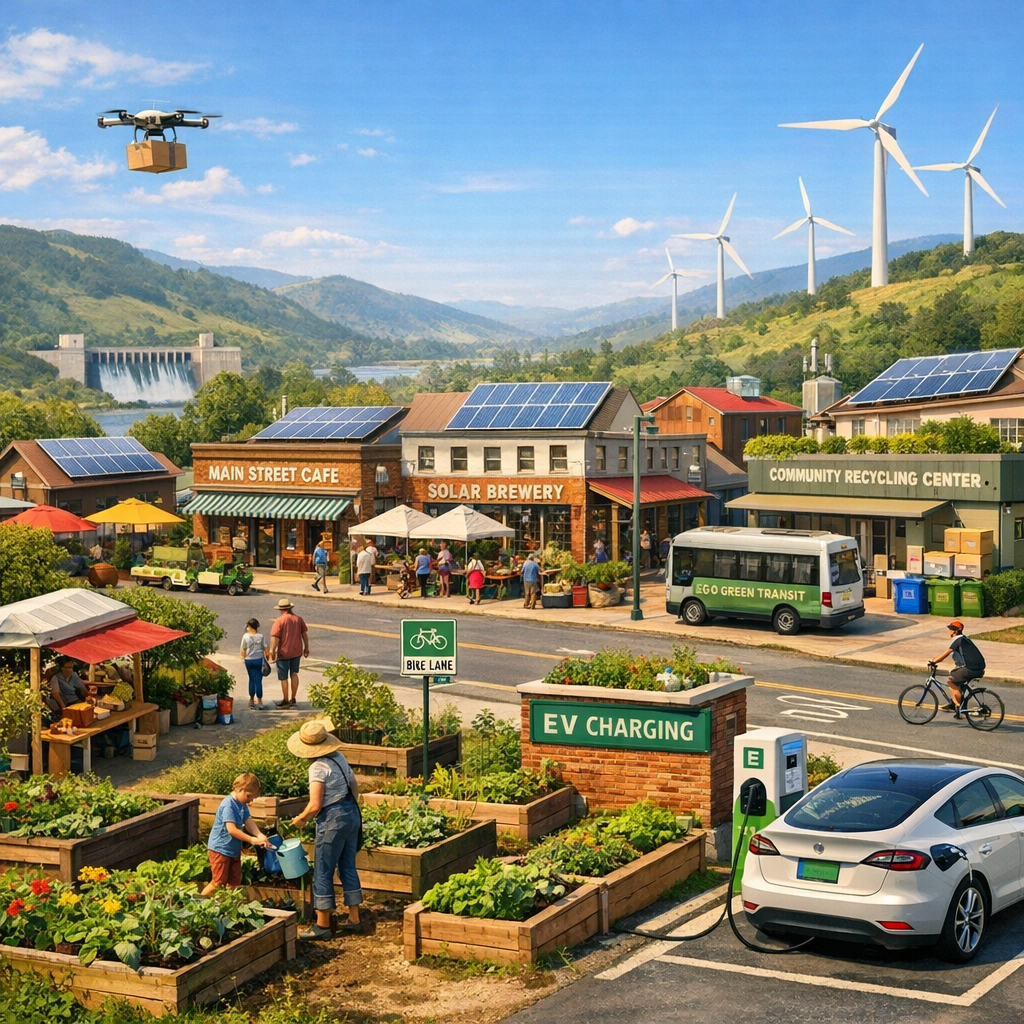
In an increasingly interconnected world, global events have profound impacts on local communities, including small towns across the United States. From economic shifts to cultural transformations, these developments are reshaping the fabric of rural America.
Economic Pressures and Opportunities
Small towns often face economic challenges due to global market fluctuations. For instance, the decline of traditional industries has led to job losses and reduced public services. However, some communities are finding new opportunities. The rise of remote work during the COVID-19 pandemic has led to the emergence of ‘Zoom Towns,’ where professionals relocate to rural areas, bringing economic revitalization and increased demand for local services.
Demographic Changes and Cultural Integration
International migration patterns also influence small towns. Some communities have experienced an influx of migrants, leading to demographic shifts and cultural integration. While this can present challenges, such as the need for additional resources and services, it also offers opportunities for cultural enrichment and economic growth. For example, some towns have welcomed refugees, leading to population stabilization and economic benefits.
Environmental Challenges
Climate change, a global issue, has local repercussions. Small towns are increasingly vulnerable to extreme weather events, such as floods and droughts, which can devastate local economies and infrastructure. Proactive planning and adaptation strategies are essential for these communities to build resilience against environmental challenges.
Conclusion
Global events are intricately linked to the realities of small-town life in America. By understanding these connections, communities can better navigate the challenges and opportunities presented by an interconnected world.