
The United States economy is currently experiencing a complex interplay of factors influencing its trajectory. Recent data indicates a notable rise in inflation, with the Consumer Price Index increasing by 3.8% year-over-year as of April. This uptick is largely attributed to escalating energy costs, a consequence of ongoing international tensions affecting global oil supplies. Such inflationary pressures have led to a decline in real wages, diminishing the purchasing power of many Americans.
Despite these challenges, the labor market has shown resilience. In April, employers added 115,000 jobs, surpassing expectations. The unemployment rate remained steady at 4.3%. Significant job gains were observed in the healthcare and transportation sectors, while manufacturing continued to face declines.
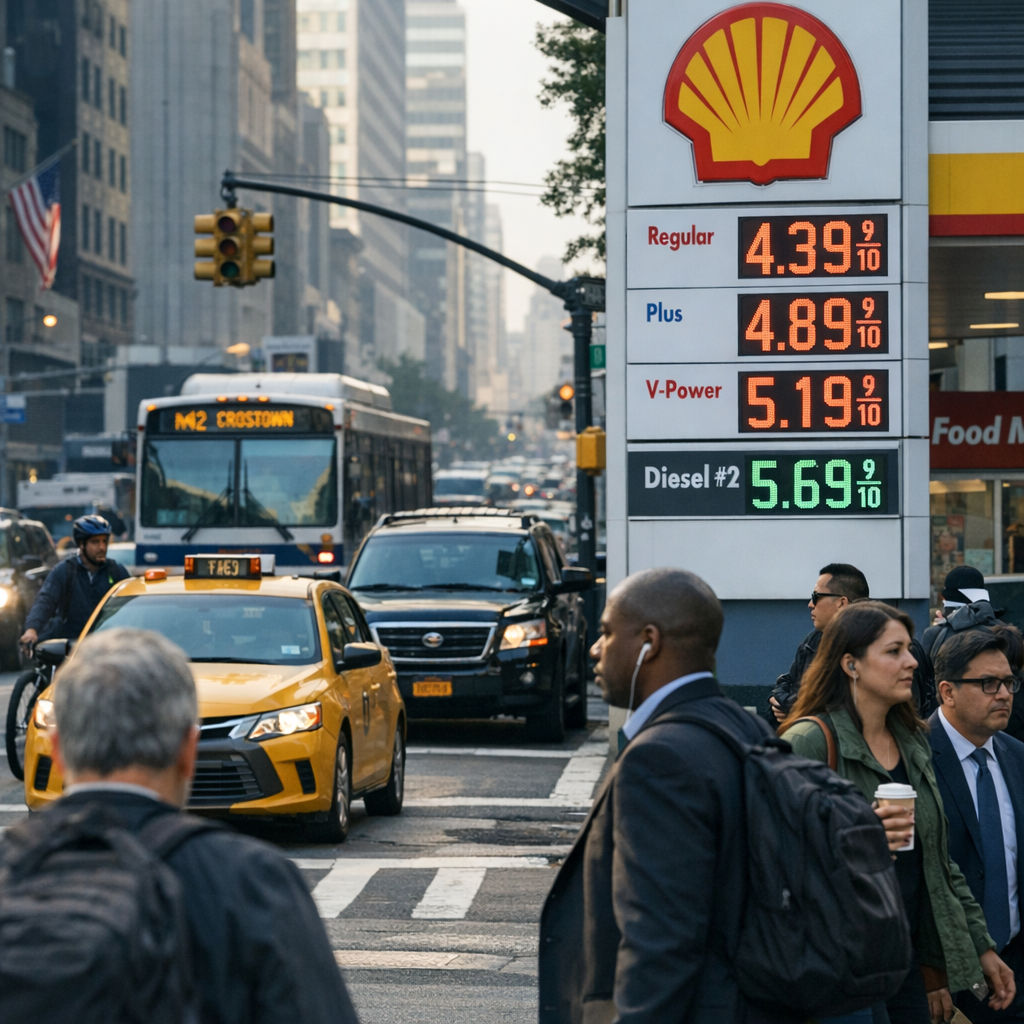
International conflicts, particularly the situation in Iran, have had a profound impact on the U.S. economy. Disruptions in oil supply have driven gas prices above $4.50 per gallon, contributing to the overall inflationary trend.
In response to these economic conditions, the Federal Reserve is faced with critical decisions regarding interest rates. Balancing the need to control inflation while supporting economic growth presents a significant challenge for policymakers.
As the nation navigates these economic complexities, it is essential for both policymakers and citizens to stay informed and adaptable to the evolving financial landscape.