

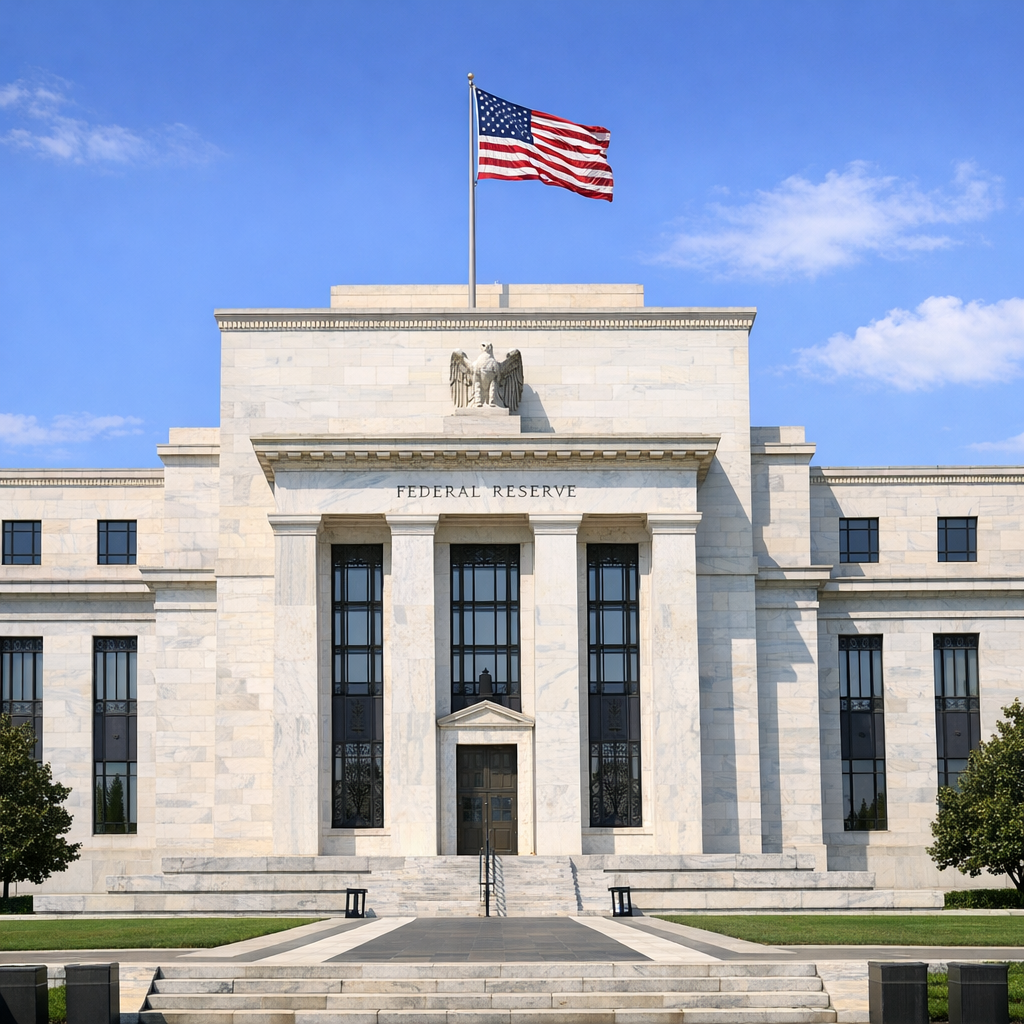
Inflation, the rate at which the general level of prices for goods and services rises, eroding purchasing power, is a critical concern for economies worldwide. In the United States, the Federal Reserve (the Fed) plays a pivotal role in managing inflation to ensure economic stability.
What Is the Federal Reserve?
The Federal Reserve is the central banking system of the United States, established to provide the country with a safe, flexible, and stable monetary and financial system. Its primary objectives include maximizing employment, stabilizing prices, and moderating long-term interest rates.
How Does the Fed Control Inflation?
The Fed employs several tools to manage inflation:
1. Adjusting the Federal Funds Rate
By raising or lowering the federal funds rate—the interest rate at which banks lend to each other overnight—the Fed influences borrowing costs for consumers and businesses. Higher rates typically reduce spending and investment, helping to cool an overheating economy and curb inflation.
2. Open Market Operations
The Fed buys or sells government securities in the open market to influence the money supply. Purchasing securities injects liquidity into the banking system, encouraging lending and spending, while selling securities withdraws liquidity, aiming to reduce inflationary pressures.
3. Reserve Requirements
By altering the amount of reserves banks must hold, the Fed can directly impact the amount of money banks can lend. Increasing reserve requirements restricts lending capacity, which can help reduce inflation.
Recent Actions and Their Implications
In response to rising inflation, the Fed has implemented measures to tighten monetary policy. For instance, the recent confirmation of Kevin Warsh as the 17th leader of the Federal Reserve comes at a time of resurgent inflation and public concern over the economy. Warsh’s leadership is expected to focus on addressing these inflationary challenges.
These actions aim to balance the need for economic growth with the imperative to keep inflation in check, ensuring that the purchasing power of consumers is preserved and the economy remains stable.
Conclusion
Understanding the Federal Reserve’s role in managing inflation is essential for comprehending broader economic dynamics. Through its monetary policy tools, the Fed strives to maintain a delicate balance between fostering economic growth and controlling inflation, thereby promoting a healthy economic environment for all Americans.