

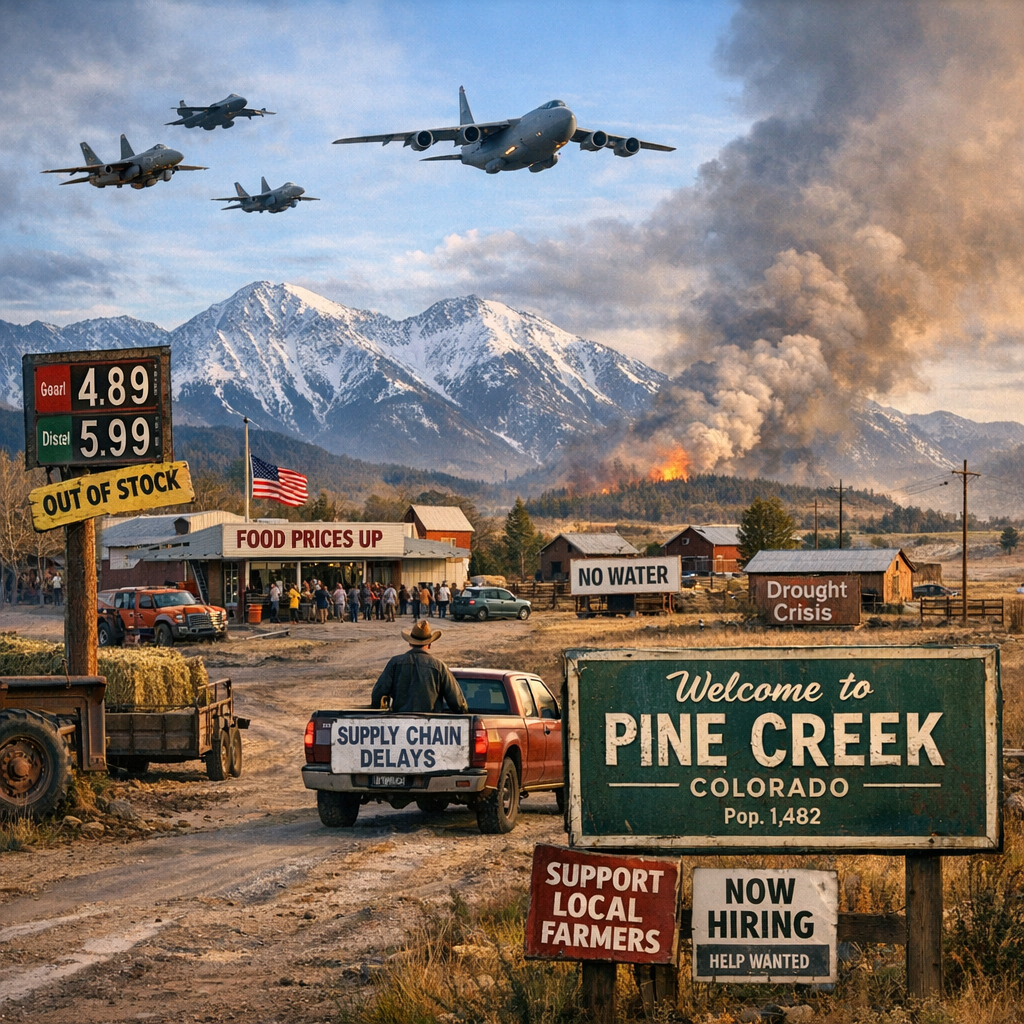
In our interconnected world, events unfolding thousands of miles away can have profound effects on local communities, including those in rural areas like Pagosa Springs, Colorado. Understanding these global-local connections is essential for building resilient and informed communities.
Climate Change and Environmental Shifts
Climate change is a pressing global issue with direct implications for rural regions. Increased frequency of extreme weather events, such as droughts and floods, can disrupt agriculture, threaten water supplies, and impact local economies. For instance, a United Nations report highlighted that 74% of Latin American and Caribbean countries are highly exposed to extreme weather events, affecting food security and agricultural productivity. While this statistic pertains to another region, it underscores a global trend that can resonate with rural communities worldwide, including ours.
Economic Interdependence and Supply Chains
Global economic fluctuations and international conflicts can disrupt supply chains, leading to increased costs for essential goods. The International Fund for Agricultural Development (IFAD) has noted that conflicts in regions like the Middle East have caused supply-side shocks to fertilizer and food production, affecting small-scale producers globally. Such disruptions can lead to higher prices for agricultural inputs, impacting local farmers and consumers alike.
Health Crises and Pandemics
Global health crises, such as pandemics, have demonstrated how quickly diseases can spread across borders, affecting even remote communities. The World Economic Forum has reported that marginalized communities often bear the brunt of escalating global health crises, facing challenges like limited access to healthcare and economic hardships. Rural areas may experience similar vulnerabilities, emphasizing the need for robust public health infrastructure and preparedness.
Technological Advancements and Digital Inclusion
The rapid pace of technological advancement offers both opportunities and challenges for rural communities. While digital tools can enhance education, healthcare, and economic development, there remains a significant digital divide. According to the United Nations, in 2024, 83% of urban residents used the internet, compared to less than 50% in rural areas. Bridging this gap is crucial to ensure that rural communities are not left behind in the digital age.
Building Resilience Through Local Action
Recognizing the impact of global events on local communities underscores the importance of proactive measures. Investing in sustainable agricultural practices, strengthening local supply chains, enhancing healthcare infrastructure, and promoting digital literacy can help rural areas like Pagosa Springs navigate the challenges posed by global developments. By fostering community engagement and resilience, we can better adapt to the ever-changing global landscape.