

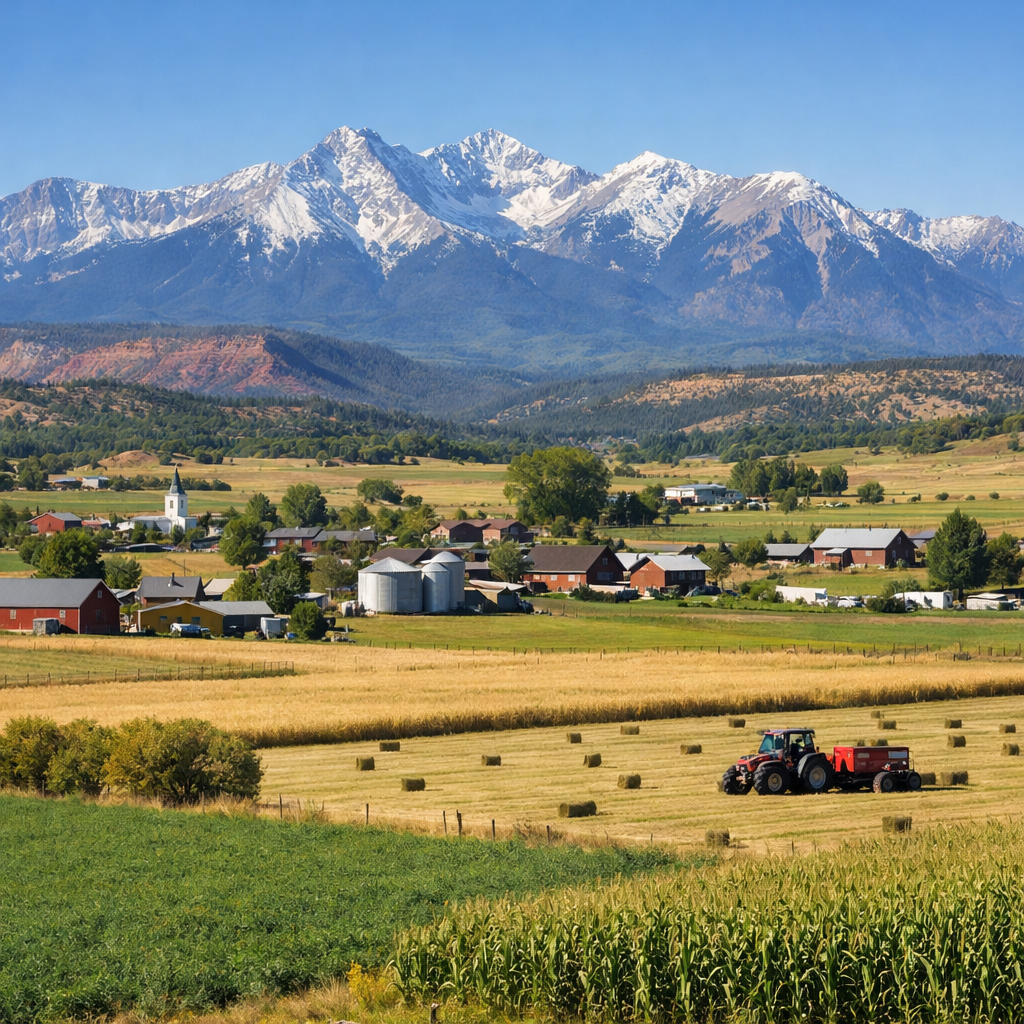
In recent years, rural communities across Colorado have faced significant challenges stemming from federal policies. These policies have had profound effects on local economies, particularly in areas like Pagosa Springs.
Economic Strain from Tariffs
Federal tariff policies have notably increased costs for Colorado businesses and consumers. Reports indicate that these tariffs have disrupted business planning, raised operating expenses, and created market uncertainties. The agricultural sector, a cornerstone of rural economies, has been especially hard-hit, with farmers and ranchers facing higher equipment and fertilizer costs, shipping delays, and unpredictable access to global markets. This volatility threatens the stability of rural communities reliant on agriculture.
Budget Cuts and Social Services
Recent federal budget decisions have led to reductions in social safety net programs, including Medicaid and the Supplemental Nutrition Assistance Program (SNAP). These cuts disproportionately affect rural areas, where residents often depend more heavily on such services. The reduction in funding jeopardizes access to essential healthcare and nutrition assistance, exacerbating economic hardships in these communities.
State Initiatives to Support Rural Areas
In response to these challenges, Colorado has implemented measures aimed at bolstering rural economies. The Rural Economic Blueprint, introduced by Governor Polis, focuses on expanding broadband access, reducing healthcare costs, repairing infrastructure, and supporting agricultural communities. Additionally, legislation like SB18-005 authorizes the Department of Local Affairs to coordinate nonmonetary assistance for rural communities experiencing significant economic events, such as plant closures or mass layoffs.
Looking Ahead
While federal policies continue to pose challenges, state-level initiatives offer a pathway to resilience for rural Colorado. By leveraging existing assets and fostering innovation, communities like Pagosa Springs can navigate these turbulent times and work towards sustainable economic growth.