

As we navigate through 2026, the U.S. economy presents a complex picture marked by both resilience and challenges. Recent data indicates a slight uptick in the unemployment rate, now at 4.4%, accompanied by a modest increase in job creation. This suggests a labor market that is stabilizing but still facing headwinds.
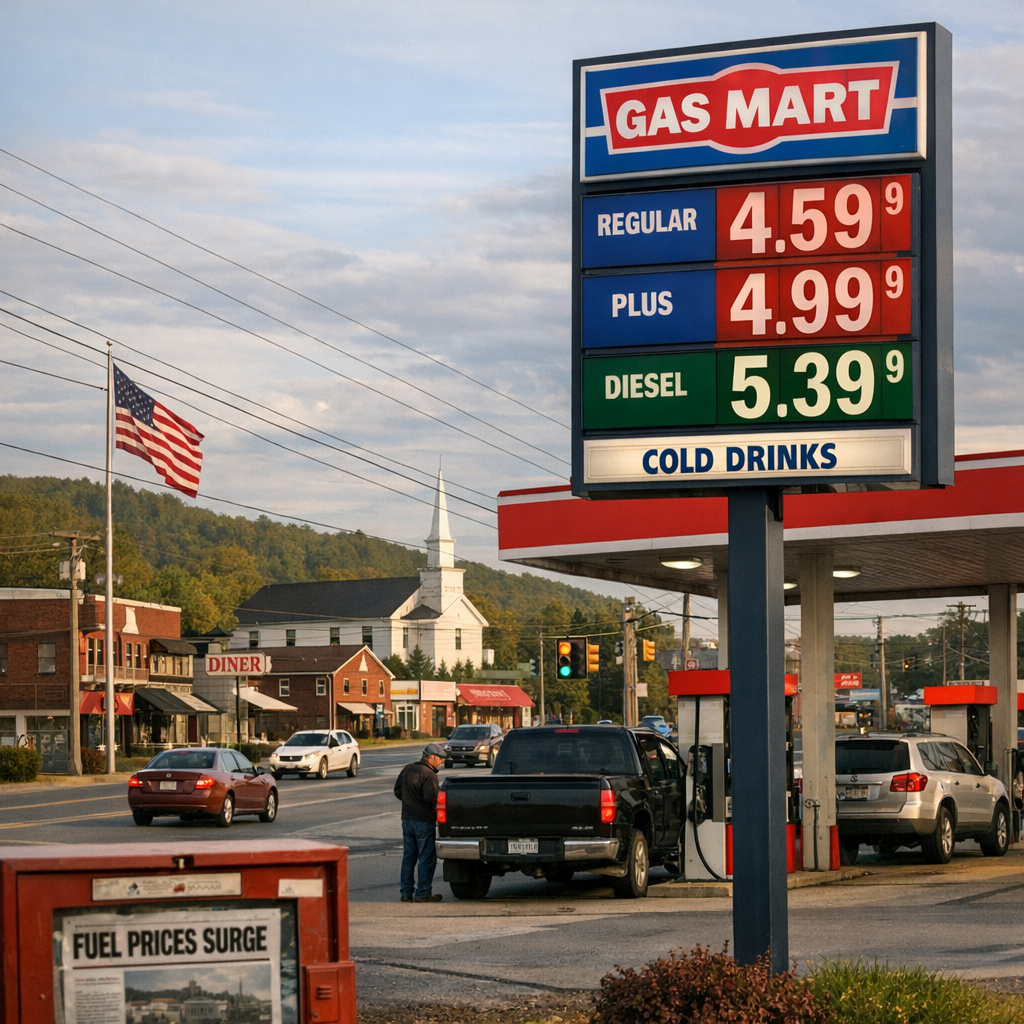
Inflation remains a pressing concern, with consumer prices experiencing a 2.6% rise over the past year. This trend is particularly evident in the energy sector, where gasoline prices have surged by 19% in the last month, reaching a national average of $3.45 per gallon. Such increases are largely attributed to geopolitical tensions affecting global oil supplies.
In response, the Federal Reserve has adjusted its monetary policy, pausing planned interest rate cuts and projecting a slower pace of future reductions. This approach aims to balance economic growth with inflation control, though it may result in higher borrowing costs for consumers and businesses.
For communities like Pagosa Springs, these national economic trends have tangible local impacts. Rising fuel costs can affect tourism—a vital component of our local economy—by increasing travel expenses for visitors. Additionally, higher inflation may influence household budgets, affecting spending patterns within our community.
Staying informed about these developments is crucial. By understanding the broader economic context, we can better prepare and adapt to the challenges and opportunities that lie ahead.