

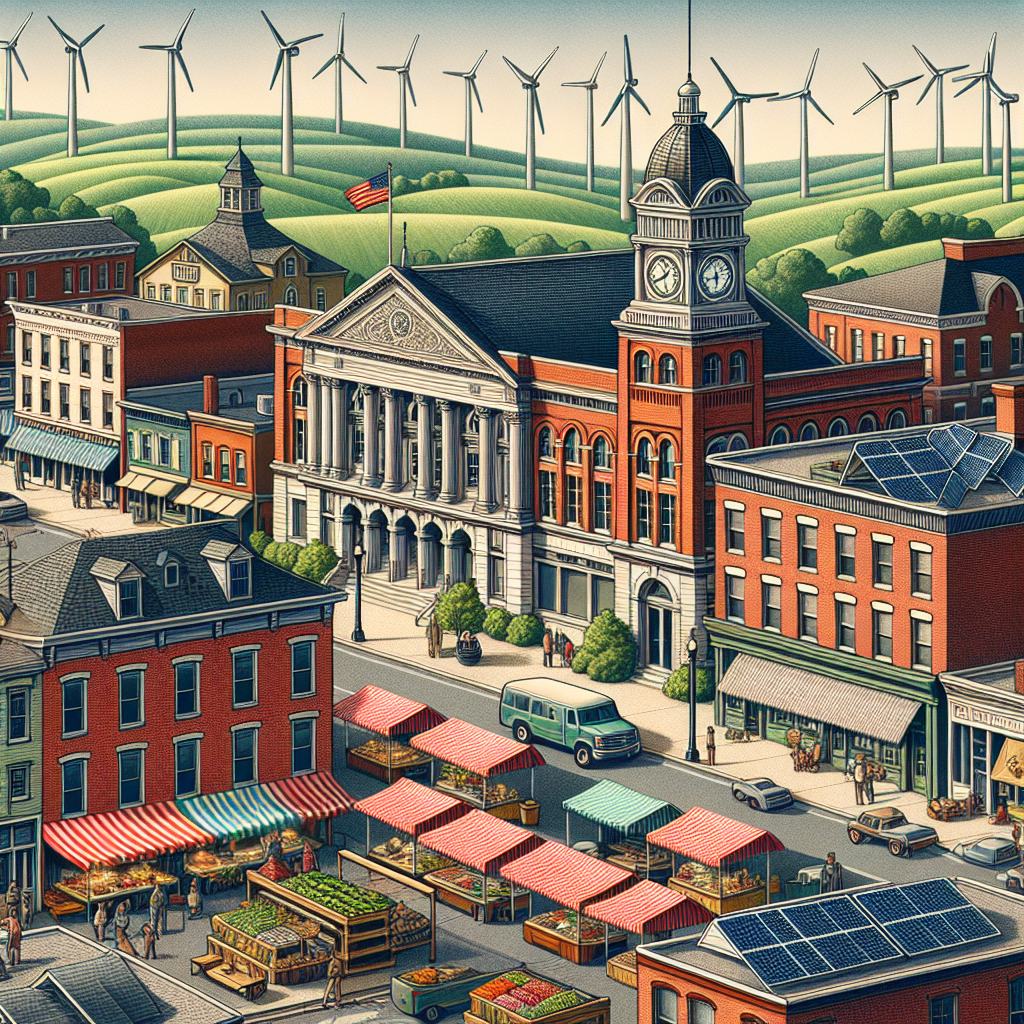
In an increasingly interconnected world, global events and trends are having profound effects on small towns across the United States, including Pagosa Springs, Colorado. From economic shifts to environmental challenges, understanding these impacts is crucial for fostering resilient and thriving communities.
Economic Shifts and Remote Work
The rise of remote work, accelerated by the COVID-19 pandemic, has led to an influx of new residents in many rural areas. This phenomenon, often referred to as the emergence of ‘Zoom Towns,’ has brought both opportunities and challenges. While new residents can stimulate local economies, they may also strain housing markets and infrastructure. For instance, towns near natural amenities have experienced rapid growth, necessitating careful planning to balance development with community needs. [Source]
Environmental Challenges
Climate change poses significant risks to rural communities. Increased frequency of extreme weather events, such as severe storms and droughts, can disrupt local economies and threaten livelihoods. For example, the Mississippi River, a vital economic corridor, faces unprecedented pressures from factors including declining infrastructure and water scarcity. Mayors along the river have called for coordinated policies to protect this essential resource. [Source]
Demographic Changes and Cultural Dynamics
Small towns are also experiencing demographic shifts due to migration patterns. Some communities have seen an increase in new residents, leading to cultural enrichment and economic growth. However, these changes can also present challenges, such as the need for expanded services and infrastructure. Additionally, some towns have faced difficulties in maintaining cultural events due to various pressures, including concerns over immigration enforcement. [Source]
Building Resilience
To navigate these global influences, small towns like Pagosa Springs can adopt several strategies:
- Comprehensive Planning: Developing long-term plans that address housing, infrastructure, and environmental sustainability can help manage growth effectively.
- Community Engagement: Involving residents in decision-making processes ensures that development aligns with the community’s values and needs.
- Economic Diversification: Encouraging a mix of industries can reduce dependence on a single economic sector, enhancing stability.
- Environmental Stewardship: Implementing practices that protect natural resources and prepare for climate-related challenges can safeguard the community’s future.
By proactively addressing these global trends, small towns can transform challenges into opportunities, fostering vibrant and resilient communities for generations to come.