

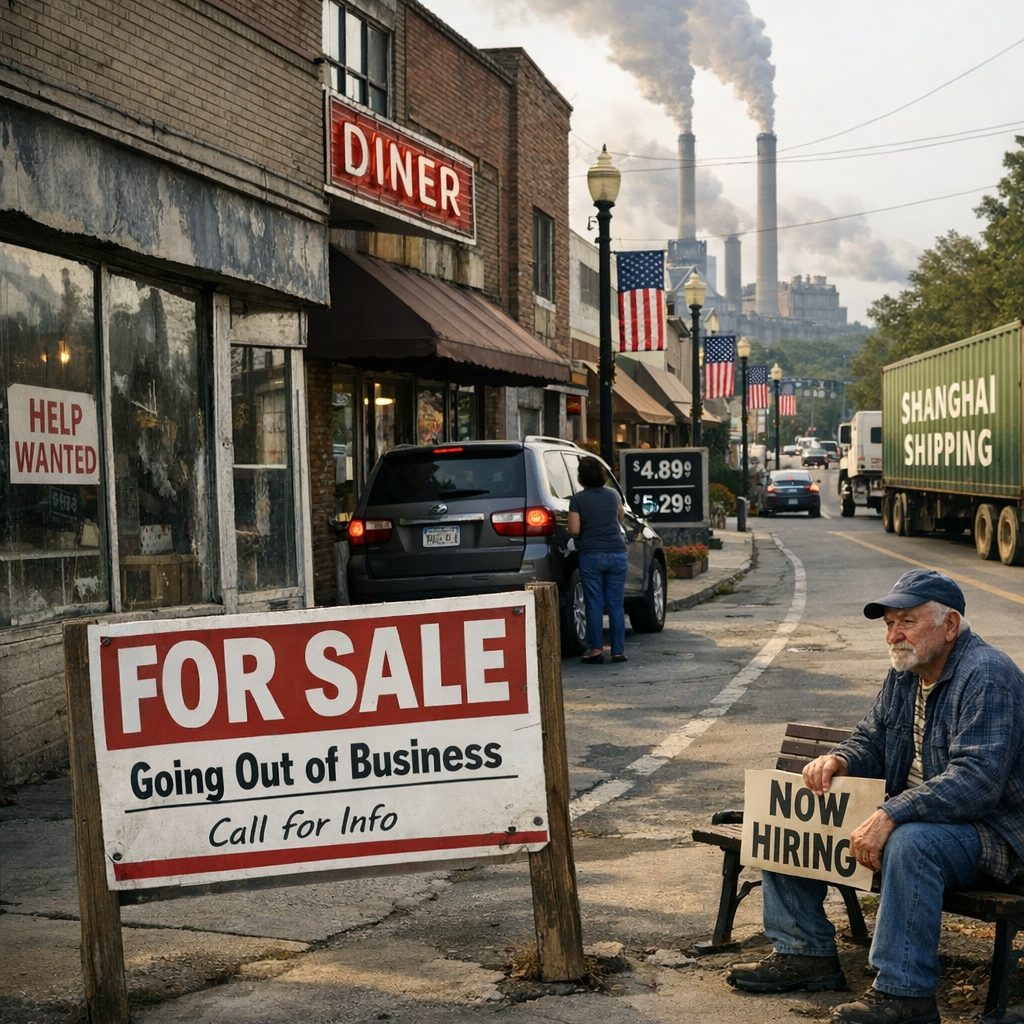
In an increasingly interconnected world, global events have profound effects on local communities, including small towns across the United States. From economic shifts to environmental challenges, these developments are reshaping the daily lives and futures of many rural areas.
Economic Pressures and Opportunities
Small towns often rely on specific industries, making them vulnerable to global economic trends. For instance, the decline of coal mining has significantly impacted communities like McDowell County, West Virginia, leading to population loss and economic hardship. Residents emphasize that rebuilding the local economy requires sustained investment and long-term planning beyond short-term solutions. Source
Conversely, some rural areas are finding opportunities in global markets. The Mississippi River, a vital economic corridor, supports $500 billion in annual revenue and 1.5 million jobs. However, mayors along the river have raised concerns about mounting threats, including infrastructure challenges and environmental changes, urging coordinated policy efforts to protect this crucial resource. Source
Environmental Challenges
Climate change poses significant risks to rural communities. Rising temperatures and changing weather patterns threaten agriculture, forestry, and water resources. For example, rural areas in the Southeast are experiencing increased vulnerability due to their reliance on natural environments for livelihoods. Source
Additionally, severe weather events are becoming more frequent and costly. In March 2026, a series of tornado outbreaks and severe storms caused extensive damage across multiple states, highlighting the need for enhanced disaster preparedness in small towns. Source
Demographic Shifts and Social Dynamics
Global migration patterns are influencing the demographic makeup of small towns. Some communities are experiencing an influx of migrants, leading to both challenges and opportunities. While some towns struggle with resource allocation, others see potential for economic revitalization through increased population and cultural diversity. Source
Moreover, rural gentrification is occurring as urban residents seek the amenities of small-town life, leading to rising property values and shifts in community dynamics. This trend underscores the need for balanced development strategies that preserve the character of these towns while accommodating growth. Source
Conclusion
As global events continue to influence local realities, small towns across America must navigate a complex landscape of economic, environmental, and social changes. Proactive planning, community engagement, and adaptive strategies will be essential for these communities to thrive in an ever-changing world.